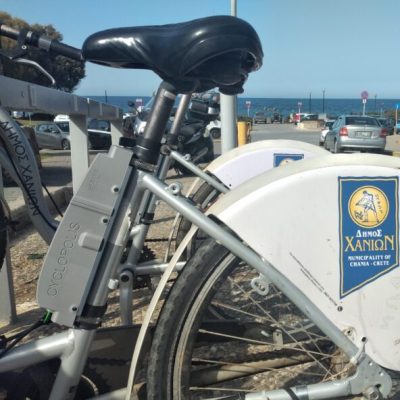
Chania_VS2_photo_1

Sensor kits on bikes & bike stations

General Description

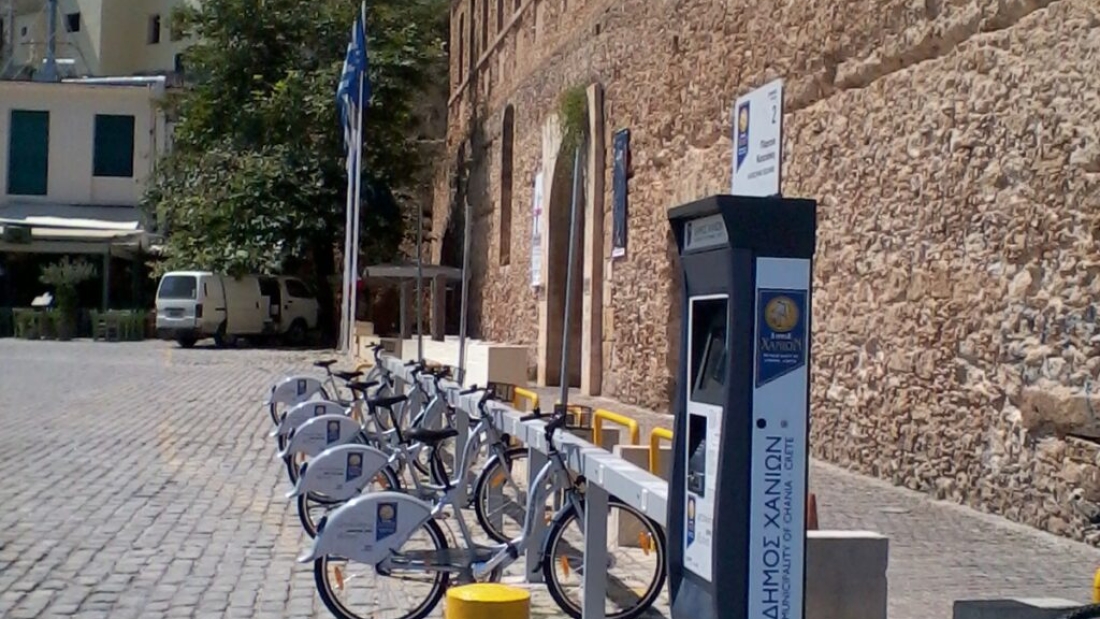
Sensor kits measuring air quality are installed both on public and private bicycles (PMs, temperature, humidity, noise and geographical position) . Public bicycle stations are also equipped with kits that measure further air pollutants (SO2, NOx, O3, CO, NH3, Cl, CO2 levels, organic substances levels). Available data are geolocated to trace possible pollution hotspots. Indications and warning about the environmental conditions will become available to citizens.

Timeline to reach full potential

0-2 years

Co-benefits & spatial impact assessment

Co-creation roadmap

Lessons learnt

Co-creation process

  • Enhanced Stakeholder Engagement: Co-creation fosters deeper engagement among stakeholders by involving them directly in the decision-making process, leading to solutions that are more aligned with their needs and perspectives.
  • Increased Innovation and Creativity: The diversity of ideas and perspectives brought together through co-creation often leads to more innovative and creative solutions that may not have emerged from a more traditional, top-down approach.
  • Building Trust is Essential: Engaging stakeholders in co-creation requires establishing trust early on. Transparent communication and respecting each stakeholder’s input are crucial for fostering a collaborative environment
  • GDEI-Informed Decision-Making: Integrating GDEI principles into decision-making processes enriches the co-creation outcome by considering the unique challenges and opportunities faced by different groups, leading to more fair and sustainable solutions.
  • Alignment of Goals and Expectations: Clearly aligning the goals and expectations of all stakeholders at the outset helps prevent misunderstandings and ensures that everyone is working towards a common objective throughout the process.
  • Flexibility and Adaptability: Stakeholders may have differing priorities or constraints, making it essential to remain flexible and adapt the co-creation process as new insights or challenges arise.
  • Shared Ownership Leads to Better Outcomes: When stakeholders are actively involved in co-creating solutions, they are more likely to feel a sense of ownership and responsibility, which increases their commitment to the success of the project.

Implementation process

General
  • Delays can arise from unexpected changes in concept design and procurement challenges, highlighting the need for flexibility and proactive planning.
  • Thorough preparation and meticulous execution are crucial for minimizing risks and ensuring smoother project implementation.
  • Always include a calibration process, as it remains beneficial even when using pre-calibrated sensors.
  • Budget planning should account for worst-case scenarios to enhance resilience and financial adaptability.
Level of required expertise - in house
Level of required expertise - contractors

Sustainability plan

Replication potential

KEY INFO

SDG

Nature based Solutions

  • Enhancement/ Protection actions

Digital Solutions

  • Microclimate monitoring
  • Noise pollution monitoring
  • Air quality monitoring

Socio - cultural Solutions

  • Knowledge sharing

Participatory planning potential

Medium

CAPEX

OPEX

€€

SROI

1 : 0,02

Ecosystem Services

Complexity

Low

KPIs

Main Beneficiaries

  • Local Administrations

  • Local Community
  • Disadvantaged groups or minorities
  • Local businesses

  • Urban & Spatial Planning
  • Engineers & Technical Experts
  • Health & Social Care
  • Research & Academia
  • Communication Experts

Health and Well - Being Aspects

  • Mental health enhancement
  • Physiological health enhancement
  • Enhancement of quality of life
  • Enhancement of physical activity

Download this VS profile as pdf

viber_image_2025-03-06_13-08-46-039

Mobile Urban Living Room

General Description

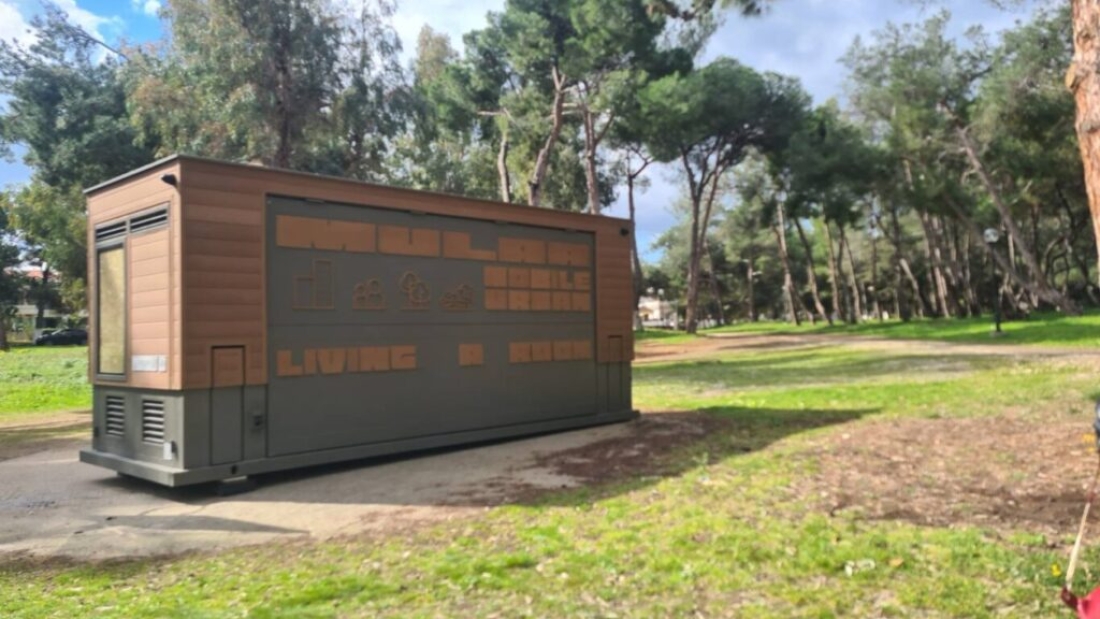
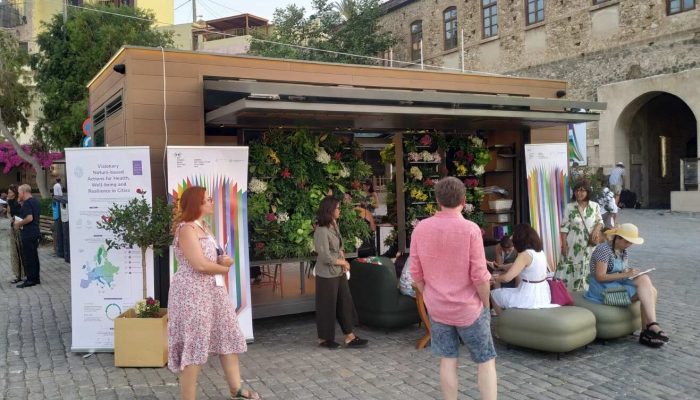
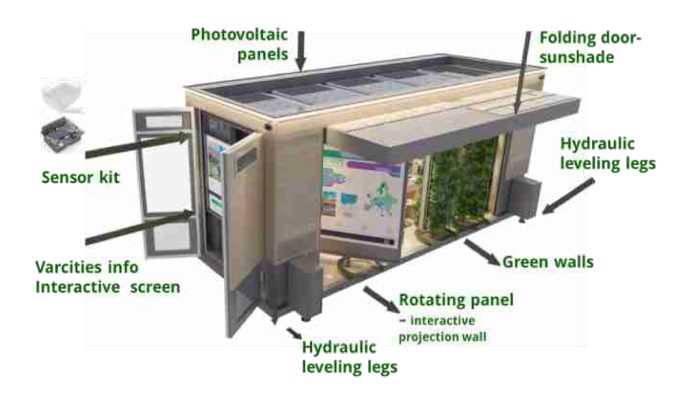
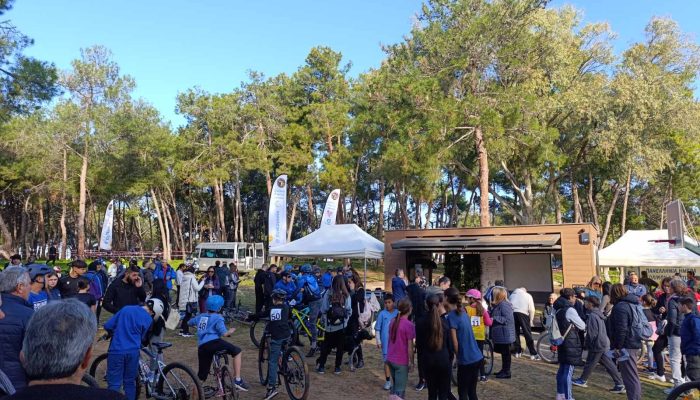
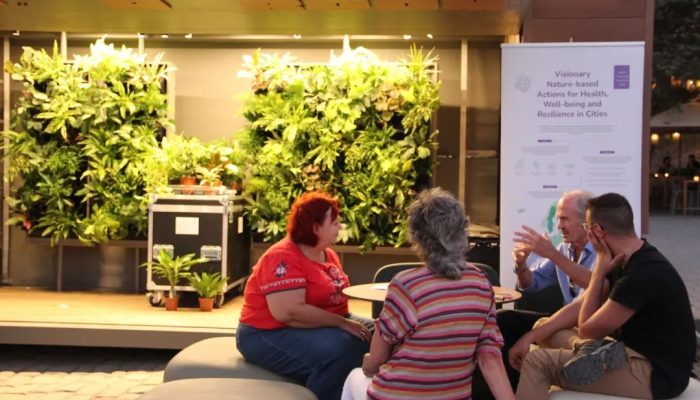
The Mobile Urban Living Room (MULR) is a multifunctional, convertible, portable construction, designed for travelling around the city, raising citizens’ excitement about green spaces. MULR’s goal is to revitalize the green spaces it visits by attracting citizens. Acting as a meeting point, MULR will encourage citizens to engage various activities, increasing the green spaces’ value. An additional goal is to gather useful data about urban environmental conditions and citizens’ Health & Well Being. Various sensors installed on MULR will collect environmental data from every neighbourhood MULR visits. Users will be handed questionnaires in order for self-perceived health & well-being information to be collected. Citizens will also be able to provide feedback about their MULR experience. The vision of MULR is to use all this information to assess the current state of green spaces and propose strategies for their future improvement.

Timeline to reach full potential

2-5 years

Co-benefits & spatial impact assessment

Co-creation roadmap

Lessons learnt

Co-creation process

  • Enhanced Stakeholder Engagement: Co-creation fosters deeper engagement among stakeholders by involving them directly in the decision-making process, leading to solutions that are more aligned with their needs and perspectives.
  • Increased Innovation and Creativity: The diversity of ideas and perspectives brought together through co-creation often leads to more innovative and creative solutions that may not have emerged from a more traditional, top-down approach.
  • Building Trust is Essential: Engaging stakeholders in co-creation requires establishing trust early on. Transparent communication and respecting each stakeholder’s input are crucial for fostering a collaborative environment
  • GDEI-Informed Decision-Making: Integrating GDEI principles into decision-making processes enriches the co-creation outcome by considering the unique challenges and opportunities faced by different groups, leading to more fair and sustainable solutions.
  • Alignment of Goals and Expectations: Clearly aligning the goals and expectations of all stakeholders at the outset helps prevent misunderstandings and ensures that everyone is working towards a common objective throughout the process.
  • Flexibility and Adaptability: Stakeholders may have differing priorities or constraints, making it essential to remain flexible and adapt the co-creation process as new insights or challenges arise.
  • Shared Ownership Leads to Better Outcomes: When stakeholders are actively involved in co-creating solutions, they are more likely to feel a sense of ownership and responsibility, which increases their commitment to the success of the project.

Implementation process

General
  • Adaptability in Concept Design: Changes in the concept design were necessary to address unforeseen challenges and complexities. Flexibility in the design phase allowed for adjustments that aligned better with real-world constraints and evolving project needs.
  • Need for Specialized Expertise: The project underscored the importance of involving specialized expertise early in the design and implementation stages. Expertise in areas like complex construction methods and procurement processes was critical for navigating technical challenges and ensuring project success.
  • Impact of Construction Complexity on Timelines: The complexity of the construction process significantly affected the project timeline. Experience delays were primarily due to the intricate nature of the work, which required more time for careful planning and execution, ultimately impacting the overall schedule.
  • Procurement Challenges: Issues with procurement were a major contributor to delays and required adjustments in the concept design. These challenges highlighted the need for a more robust procurement strategy that accounts for potential delays and aligns with the project’s evolving requirements.
Level of required expertise - in house
Level of required expertise - contractors

Sustainability plan

Replication potential

KEY INFO

SDG

Nature based Solutions

  • Enhancement/ Protection actions

Digital Solutions

  • Microclimate monitoring
  • Visitor tracking
  • Noise pollution monitoring
  • Air quality monitoring

Socio - cultural Solutions

  • Civil Infrastructure
  • Knowledge sharing
  • Engagement activities

Participatory planning potential

High

CAPEX

€€€€

OPEX

€€€

SROI

1 : 5,25

Ecosystem Services

Complexity

High

KPIs

Main Beneficiaries

  • Local Administrations

  • Local Community
  • Disadvantaged groups or minorities
  • School Community
  • Cultural/Art Producers
  • Local businesses

  • Urban & Spatial Planning
  • Engineers & Technical Experts
  • Environmental & Natural Sciences
  • Health & Social Care
  • Research & Academia
  • Communication Experts

Health and Well - Being Aspects

  • Mental health enhancement
  • Physiological health enhancement
  • Enhancement of quality of life
  • Enhancement of physical activity

Download this VS profile as pdf

Picture12

Open air educational infrastructure

General Description

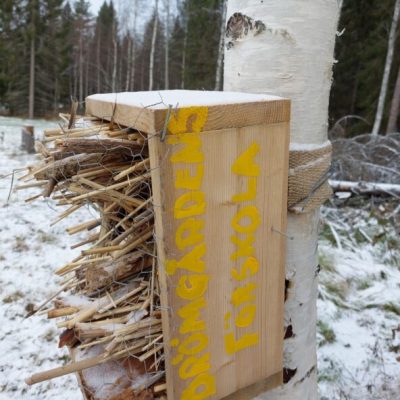
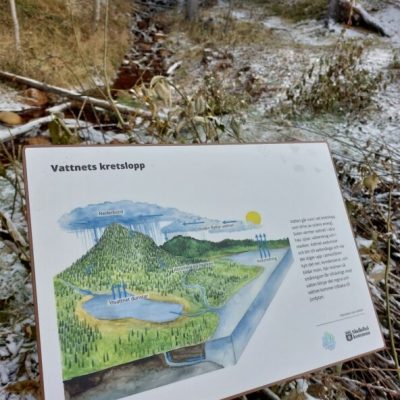
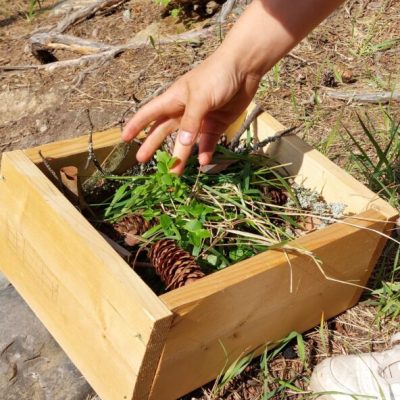
With the objective of educating & engaging young pupils but also adult citizens, on the importance of biodiversity and the effects of climate change, an open-air classroom is created in a natural setting. The intervention includes the creation of sheltered space to serve as a classroom, and an open space including a bee hotel/insect habitat in the form of a play structure. Building material is provided for students to use to create bee hotels/habitats. The above is complemented with permanent educational material such as signs about distinct plant species and pollinators. Information campaigns promote the use of the Health and Well-being platform encouraging users/ visitors to include own data i.e. for identified species.

Timeline to reach full potential

0-2 years

Co-benefits & spatial impact assessment

Co-creation roadmap

Lessons learnt

Co-creation process

  • Predefined Nature of the Solution: The predefined nature of VS limited the scope for the co-design process, constraining flexibility and stakeholder input.
  • Opportunities Through Co-Creation Steps: Different opportunities emerged depending on the nature of the solution, with varied potential at different steps of the co-creation process.
  • Engagement with Social Minorities: Social minority organizations were hard to reach and often required extra effort to engage effectively.
  • Stakeholder Appreciation for Diversity: Stakeholders themselves valued the diversity within their group, recognizing it as a strength in the process.

Implementation process

General
  • The concept design process is dynamic, with changes occurring at various stages, requiring adaptability throughout the project.
  • Design adjustments were a frequent occurrence, making it crucial to anticipate and manage design refinements as part of the project lifecycle.
  • Stakeholder input played a significant role in driving changes, highlighting the importance of consistent engagement with all involved parties.
  • Financial constraints were a key factor influencing project changes, underscoring the need to align project goals with available budgets.
  • Changes had a direct impact on the budget, reinforcing the importance of strong financial planning to accommodate unforeseen adjustments.
  • Advanced expertise was essential for both in-house teams and service providers, demonstrating the need for highly skilled professionals to manage complex tasks.
  • Procurement difficulties, driven by bureaucracy and high offers, suggest that market analysis and streamlined processes are vital for smoother project execution.
Level of required expertise - in house
Level of required expertise - contractors

Sustainability plan

Replication potential

KEY INFO

SDG

Nature based Solutions

  • Enhancement/ Protection actions

Digital Solutions

  • Microclimate monitoring
  • Visitor tracking
  • Energy efficient technologies
  • Data hosting and visualisation

Socio - cultural Solutions

  • Civil Infrastructure
  • Knowledge sharing

Participatory planning potential

High

CAPEX

€€€

OPEX

€€€

SROI

1 : 1,40

Ecosystem Services

Complexity

Low

KPIs

Main Beneficiaries

  • Local Administrations

  • Local Community
  • Disadvantaged groups or minorities
  • School Community
  • Cultural/Art Producers
  • Local businesses

  • Urban & Spatial Planning
  • Engineers & Technical Experts
  • Environmental & Natural Sciences
  • Health & Social Care

Health and Well - Being Aspects

  • Mental health enhancement
  • Physiological health enhancement
  • Enhancement of quality of life

Download this VS profile as pdf

smartLighting (1)

Smart lighting

General Description

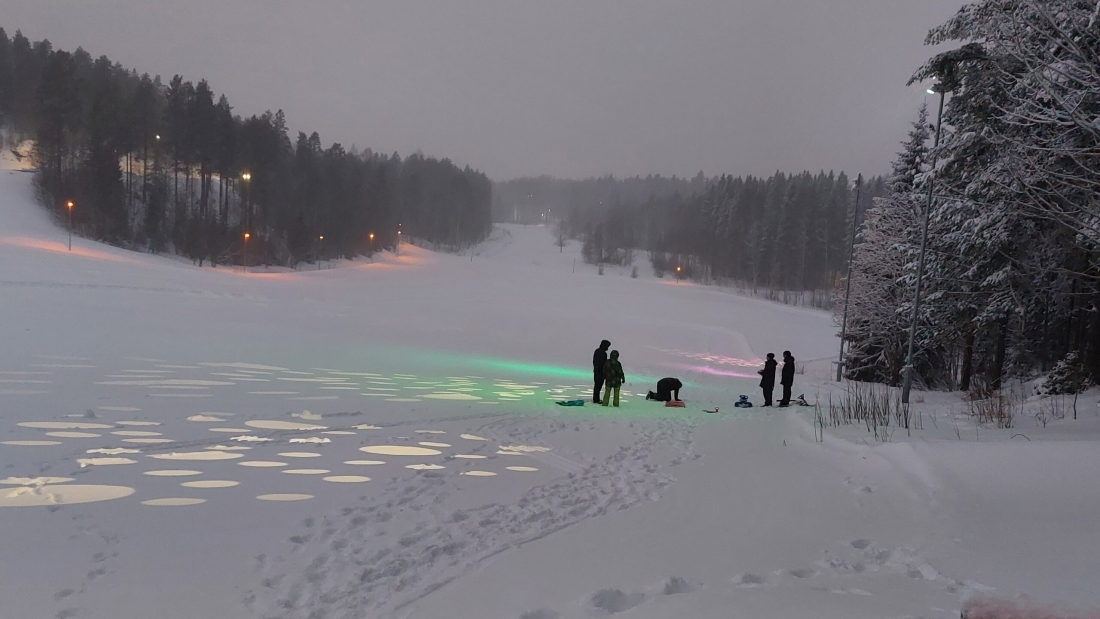
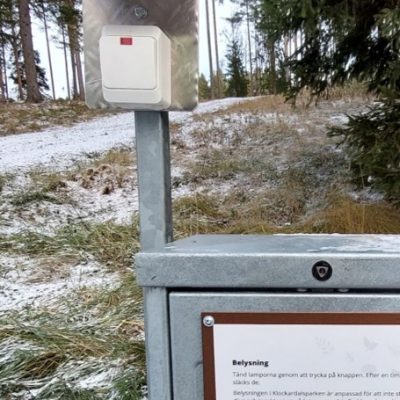
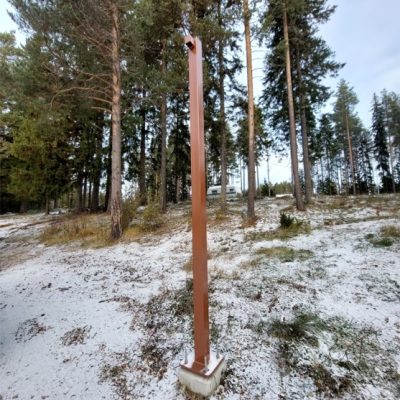
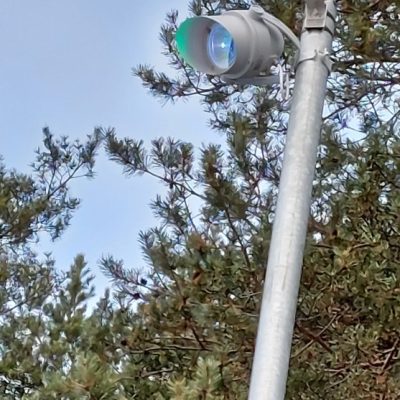
Smart lighting poles are placed in a park, providing an inviting environment for visitors and encouraging activities throughout the year. The selected system reduces light pollution as it is complemented with sensors that detect visitors, thus adjusting lighting levels. The data collected from the various installed sensors, apart from environmental conditions include information on firewood and parking space availability as well as snow depth. The above is also visualised in the H&WB platform.

Timeline to reach full potential

0-2 years

Co-benefits & spatial impact assessment

Co-creation roadmap

Lessons learnt

Co-creation process

  • Predefined Nature of the Solution: The predefined nature of VS limited the scope for the co-design process, constraining flexibility and stakeholder input.
  • Opportunities Through Co-Creation Steps: Different opportunities emerged depending on the nature of the solution, with varied potential at different steps of the co-creation process.
  • Engagement with Social Minorities: Social minority organizations were hard to reach and often required extra effort to engage effectively.
  • Stakeholder Appreciation for Diversity: Stakeholders themselves valued the diversity within their group, recognizing it as a strength in the process.

Implementation process

General
  • Changes in Concept Design: Changes were made after the initial sketch of the VS, specifically during the concept design phase. The project was downsized due to financial constraints, but it did not affect the overall schedule, budget, or procurement, only reducing the number of poles installed.
  • Expert Involvement: Key experts involved included architects, engineers, landscape designers, and municipal project officers. The required expertise level for both in-house and service providers was advanced.
  • Budget Variance: A significant budget change of ±25% occurred, primarily driven by external factors like market conditions and inflation.
  • Lessons Learned: The project underscored the importance of thoroughly understanding sensors and relevant EU GDPR laws. More knowledge about sensors was gained during the project, stressing the need for a clear starting point.
  • Recommendations for Future Projects: It’s recommended to start future projects with a defined sensor deployment strategy. In terms of budget planning, ensure that the full scope of the necessary equipment (like poles) is accounted for early on to prevent downsizing.
  • Potential Improvements: Starting with a clear plan for sensor integration would have improved the preparation phase. In budget planning, making sure the correct number of poles is included upfront could have avoided reductions later.
Level of required expertise - in house
Level of required expertise - contractors

Sustainability plan

Replication potential

KEY INFO

SDG

Digital Solutions

  • Microclimate monitoring
  • Visitor tracking
  • Energy efficient technologies
  • Data hosting and visualisation

Socio - cultural Solutions

  • Civil Infrastructure
  • Knowledge sharing

Participatory planning potential

Medium

CAPEX

€€

OPEX

SROI

1 : 9,81

Ecosystem Services

Complexity

Low

KPIs

Main Beneficiaries

  • Local Administrations

  • Environmental & Natural Sciences
  • Health & Social Care

  • Urban & Spatial Planning
  • Engineers & Technical Experts

Health and Well - Being Aspects

  • Mental health enhancement
  • Physiological health enhancement
  • Enhancement of quality of life

Download this VS profile as pdf

Picture13

Natural infrastructure to increase resilience in blue spaces

General Description

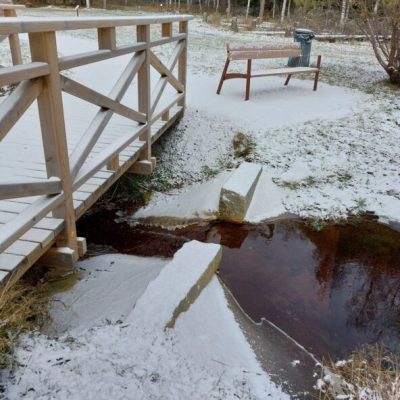
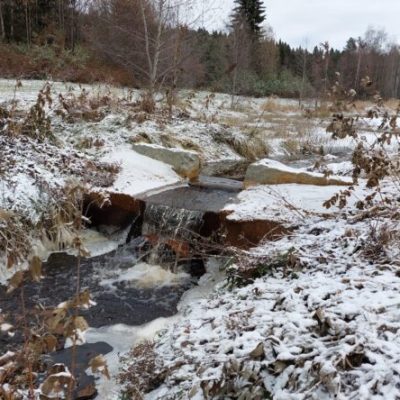
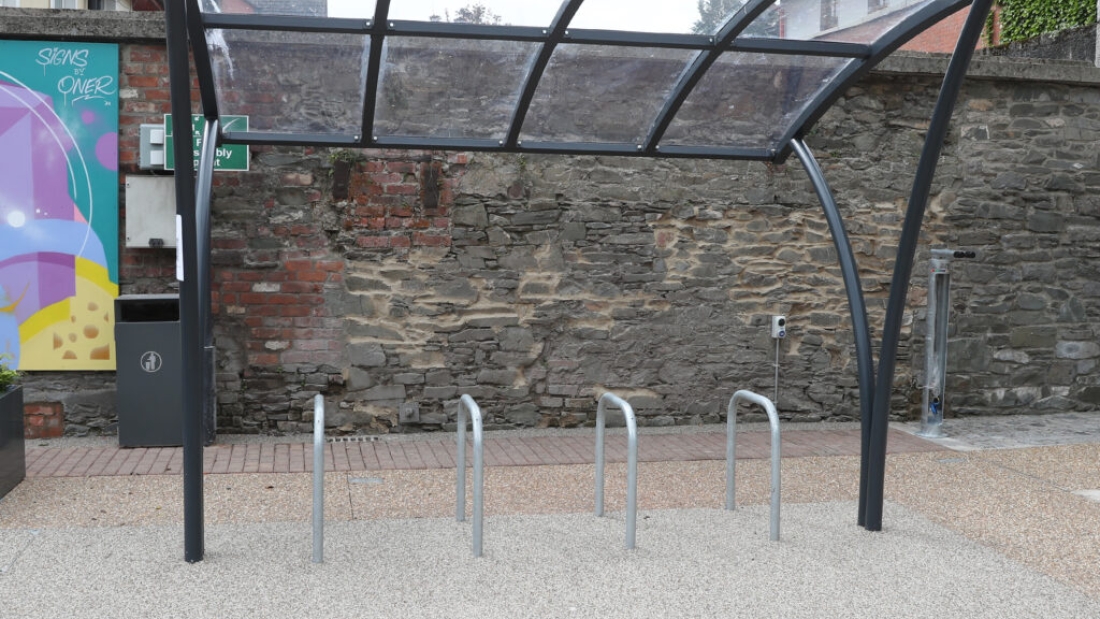
In an open space with a strong presence of blue spaces, waterways, ditches and ponds are improved, creating an attractive place for visitors and nearby residents, encouraging people to spend more time in the park. The enhancement of blue spaces also improves biodiversity and has an educational effect on the public. The waterflow between two ponds is adjusted, whereas water flow and water quality are monitored. The wetland bed is formed in a way also to enhance biodiversity. An inventory of species helped identify invasive species that should be eliminated, whereas existing flora was complemented with indigenous plants.

Timeline to reach full potential

2-5 years

Co-benefits & spatial impact assessment

Co-creation roadmap

Lessons learnt

Co-creation process

  • Iterative Process of Engagement: A progressive and iterative approach to engagement was adopted to ensure continued stakeholder involvement and feedback throughout the process

  • Predefined Nature of the Solution: One of the main challenges was the predefined nature of the solution (VS), which constrained the flexibility and limited the scope for true co-design. This imposed boundaries on how much stakeholders could influence or adapt the solution during the process.
  • Opportunities Through Co-Creation Steps: The opportunities that emerged were heavily dependent on the nature of the solution being addressed. Different steps in the co-creation process offered varied opportunities for innovation, refinement, and stakeholder input.

Implementation process

General
  • Experts involved in design/implementation: The project engaged an Architect/Engineer, Landscape designer, and Biologist/Agronomist, focusing on technical and environmental aspects of the design.

  • Reason for procurement delay: Soil from the meadow eroded into the ponds before the plants had a chance to take root, causing delays.

  • Aspects to change in implementation: The preparation and execution phases could be improved, focusing on better planning and timing of activities.

  • Valuable lessons learned: Engaging a consultant earlier for accurate flow measurement placement would have improved results. Additionally, spring planting is more effective for helping plants take root.

  • Preventive measures for future projects: Spring planting should be prioritized to ensure better establishment of vegetation.

  • Changes in preparation stage: Better planning and time management are necessary to avoid delays and improve execution.

Level of required expertise - in house
Level of required expertise - contractors

Sustainability plan

Replication potential

KEY INFO

SDG

Nature based Solutions

  • Enhancement/ Protection actions
  • Technical

Digital Solutions

  • Visitor tracking
  • Energy efficient technologies
  • Data hosting and visualisation

Socio - cultural Solutions

  • Civil Infrastructure
  • Knowledge sharing
  • Engagement activities

Participatory planning potential

High

CAPEX

€€

OPEX

€€

SROI

1 : 9,81

Ecosystem Services

Complexity

Low

KPIs

Main Beneficiaries

  • Local Administrations

  • Local Community
  • Disadvantaged groups or minorities
  • School Community
  • Cultural/Art Producers
  • Local businesses

  • Urban & Spatial Planning
  • Engineers & Technical Experts
  • Environmental & Natural Sciences

Health and Well - Being Aspects

  • Mental health enhancement
  • Physiological health enhancement
  • Enhancement of quality of life

Download this VS profile as pdf

aBK3I4745

Bike stations with sensors and maintenance facilities

General Description

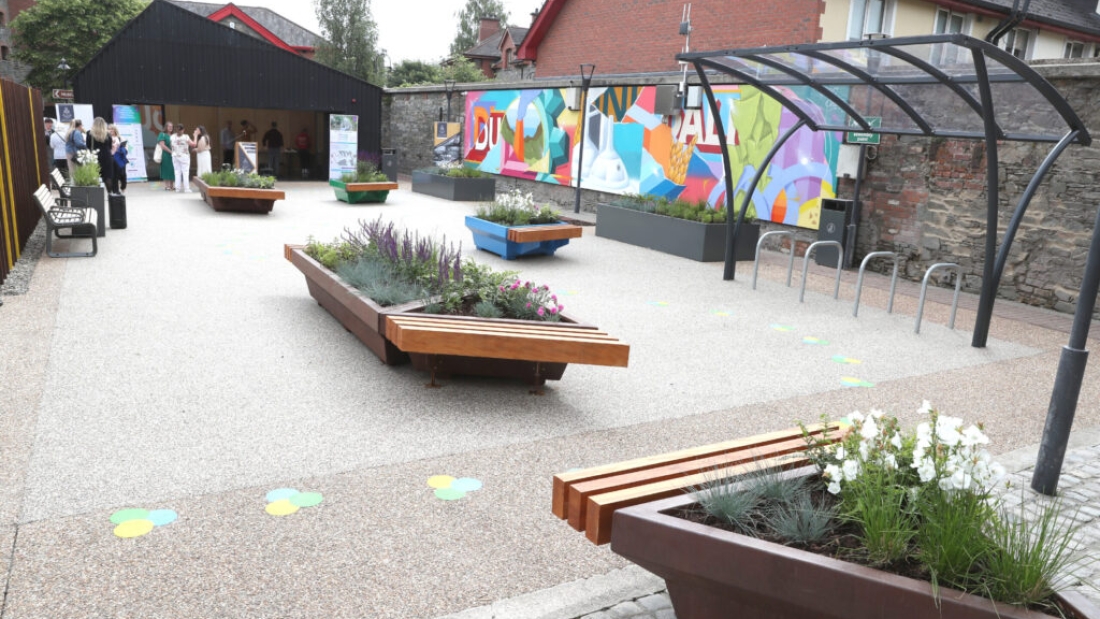
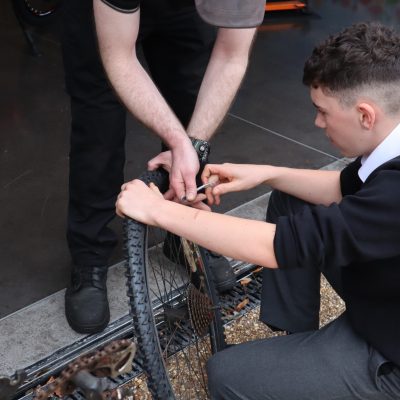
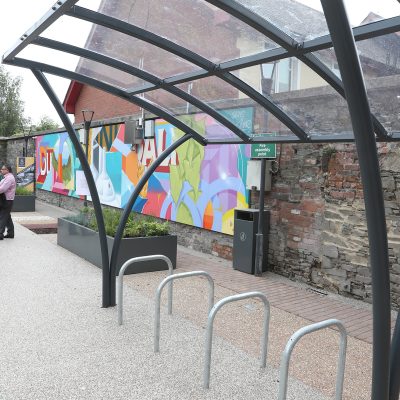
A new car free area for pedestrians and cyclists is created, offering improved cycling infrastructure for visitors, to encourage active travel, reduce air pollution, encourage green mobility and urban regeneration.

Timeline to reach full potential

2-5 years

Co-benefits & spatial impact assessment

Co-creation roadmap

Lessons learnt

Co-creation process

  • Bike users have specific preferences for cycling infrastructure: bike users asked for U shaped stands, as they are “better for the bicycles and the bike users”. Also suggested that parking facilities could incorporate e-bike, e-scooter charging facilities.
  • What information to monitor and share: Stakeholders supportive of displaying previously developed cycling maps on the monitors.

  • Ensuring safe access for both cyclists and pedestrians: Signage and use of colour to mark pedestrian and cycle paths discussed with stakeholders. Possibility of resurfacing the area to make it more pedestrian and cyclist friendly also discussed although this was budget contingent – this highlights the importance of clearly communicating with stakeholders and managing expectations for the feasibility of certain interventions.

Implementation process

General
  • Design Changes During Preparation Stage: Changes to the initial concept design occurred during the preparation stage due to input from stakeholders and technical issues. Flexibility in the design phase is critical to accommodate unforeseen challenges and feedback.

  • Technical Challenges Impact Design: Technical issues necessitated changes in the design, underscoring the importance of thorough technical assessments during the planning phase to prevent delays or redesigns later.

  • Budget Variances Due to External Factors and Unforeseen Costs

  • External factors: such as market conditions and inflation, along with unforeseen costs, contributed to a significant budget variance (±20%). This highlights the need for a contingency plan and flexible budget forecasting to accommodate unexpected expenses

  • Revisiting the Preparation and Procurement Stages

  • Reflecting on the process: The preparation and procurement stages could have been approached differently. Enhanced focus on these stages would likely improve clarity, planning, and resource allocation, minimizing delays and unexpected costs.

Level of required expertise - in house
Level of required expertise - contractors

Sustainability plan

Replication potential

KEY INFO

SDG

Digital Solutions

  • Microclimate monitoring
  • Noise pollution monitoring
  • Air quality monitoring
  • Visitor tracking
  • Data hosting and visualisation
  • Health tracking
  • Energy efficient technologies

Socio - cultural Solutions

  • Civil Infrastructure
  • Knowledge sharing

Participatory planning potential

Medium

CAPEX

OPEX

SROI

1 : 4,28

Ecosystem Services

Complexity

Low

KPIs

Main Beneficiaries

  • Local Administrations

  • Local Community
  • Disadvantaged groups or minorities
  • School Community
  • Cultural/Art Producers
  • Local businesses

  • Urban & Spatial Planning
  • Engineers & Technical Experts
  • Environmental & Natural Sciences

Health and Well - Being Aspects

  • Mental health enhancement
  • Physiological health enhancement
  • Enhancement of quality of life
  • Enhancement of physical activity

Download this VS profile as pdf

aBK3I4715

Outdoor Urban Green Learning & Sensory Garden

General Description

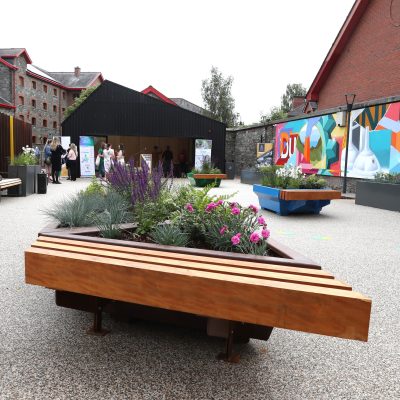
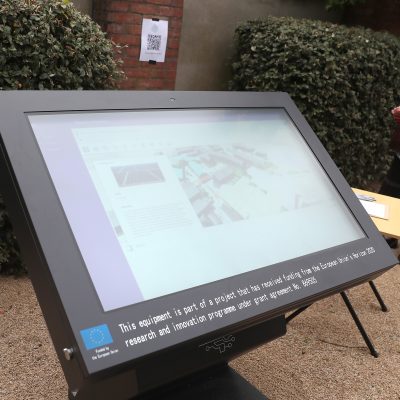
Through an integrated approach, the quality of an open space is enhanced: Planters are placed along with seating areas. A rainwater harvesting system is installed and a sensory garden is created. In addition, a LED lighting system, a CCTV system, visitor tracking sensors, noise & air quality sensors are installed, together with a touch screen to visualise and display collected data and any other information for visitors.

Timeline to reach full potential

2-5 years

Co-benefits & spatial impact assessment

Co-creation roadmap

Lessons learnt

Co-creation process

  • Prioritize Digital Skills Development: Given the increasing reliance on remote technology, investing in ongoing training and upskilling in digital tools and platforms is crucial. This ensures that teams are equipped to effectively navigate virtual collaboration and communication challenges.
  • Enhance Stakeholder Engagement Strategies: Reflecting on the challenges faced in rallying stakeholder participation, future processes should focus on refining outreach strategies. This may involve diversifying communication channels, optimizing timing to accommodate key stakeholders, and ensuring inclusive representation across all sectors.
  • Strategic Timing for Stakeholder Events: Acknowledging the impact of timing on stakeholder engagement, future initiatives should carefully consider scheduling to maximize participation. Tailoring events to accommodate the schedules of diverse stakeholders, such as educational institutions, can enhance inclusivity and foster a more representative dialogue.
  • Anticipate and Address Planning Challenges: Proactively anticipating potential obstacles, such as unexpected planning issues, underscores the importance of thorough risk assessment and contingency planning. Building robust mechanisms for stakeholder engagement and conflict resolution can help mitigate disruptions and maintain project momentum.
  • Adaptability in Response to Economic Factors: In light of inflationary pressures, adopting a proactive and adaptive approach to material usage and procurement is essential. This involves continuously evaluating alternative materials, exploring sustainable options, and collaborating closely with stakeholders to optimize resource utilization and cost-effectiveness.
  • Optimize Staffing Resources: Recognizing the critical role of staffing resources, future processes should prioritize resource allocation and workload management. Implementing efficient processes, providing additional support where needed, and fostering a culture of collaboration can enhance productivity and ensure the successful execution of initiatives.

Implementation process

General
  • Concept Design Changes and Timing: Changes in the concept design occurred after the initial sketching, specifically during the selection of service providers. This indicates that adjustments were necessary to align with the capabilities or requirements of the providers, reflecting the need for flexibility in the early stages of planning.
  • Nature and Reasons for Change: The primary change was in the design, driven by stakeholder (STK) input and technical issues. This shows that both feedback from key stakeholders and technical considerations played a crucial role in revising the original design to better meet project needs.
  • Delays on Project Progress: These changes mainly affected the project’s timeframe, resulting in delays. The design adjustments, while necessary, slowed down progress, demonstrating how even mid-stage revisions can extend project timelines.
  • Significant Budget Variances: (±20%) in the budget for the project. These variances such as market conditions and inflation, as well as unforeseen costs that emerged during the project. highlighted the need for careful monitoring and adjustment throughout the implementation process.
  • Delays in the Workplan: due to project complexity and other unforeseen factors. These challenges highlighted the need for better planning and resource allocation to navigate the complexities involved in the project.
  • Preparation and procurement stages differently in future implementations: Enhancing the preparation phase could lead to better anticipation of potential challenges, while optimizing the procurement process would help avoid delays and budget variances. Focusing on these areas would improve overall project efficiency and effectiveness.
Level of required expertise - in house
Level of required expertise - contractors

Sustainability plan

Replication potential

KEY INFO

SDG

Nature based Solutions

  • Enhancement/ Protection actions
  • Urban Green Spaces connected to grey infrastructure

Digital Solutions

  • Visitor tracking
  • Air quality monitoring
  • Data hosting and visualisation
  • Noise pollution monitoring
  • Microclimate monitoring

Socio - cultural Solutions

  • Civil Infrastructure
  • Engagement activities
  • Knowledge sharing

Participatory planning potential

High

CAPEX

€€€

OPEX

€€

SROI

€€€

Ecosystem Services

Complexity

Medium

KPIs

Main Beneficiaries

  • Local Administrations

  • Local Community
  • Disadvantaged groups or minorities
  • School Community
  • Cultural/Art Producers
  • Local businesses

  • Urban & Spatial Planning
  • Engineers & Technical Experts
  • Environmental & Natural Sciences

Health and Well - Being Aspects

  • Mental health enhancement
  • Physiological health enhancement
  • Enhancement of quality of life
  • Enhancement of physical activity

Download this VS profile as pdf

463221650_972132324958468_235329917371341955_n

Learning Pod

General Description

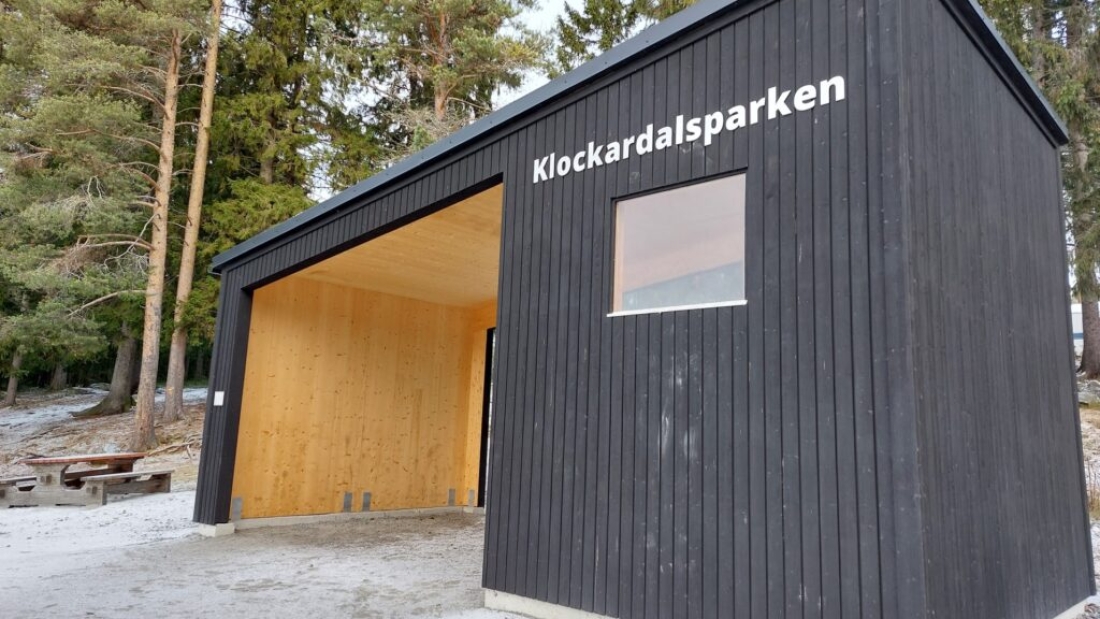
A sheltered outdoor learning space that can host events for a wide range of visitors is created, in order to engage and educate on improved biodiversity and NbS in urban areas, as well as Health & Well-being. Included in the learning pod is an immersive and fully accessible “multi-sensory space” that reduces anxiety and encourages participation in a short time- a valuable tool for Occupational Therapists.

Timeline to reach full potential

2-5 years

Multiple benefits of the solution

Co-creation roadmap

Lessons learnt

Co-creation process

  • Prioritize Digital Skills Development: Given the increasing reliance on remote technology, investing in ongoing training and upskilling in digital tools and platforms is crucial. This ensures that teams are equipped to effectively navigate virtual collaboration and communication challenges.
  • Enhance Stakeholder Engagement Strategies: Reflecting on the challenges faced in rallying stakeholder participation, future processes should focus on refining outreach strategies. This may involve diversifying communication channels, optimizing timing to accommodate key stakeholders, and ensuring inclusive representation across all sectors.
  • Strategic Timing for Stakeholder Events: Acknowledging the impact of timing on stakeholder engagement, future initiatives should carefully consider scheduling to maximize participation. Tailoring events to accommodate the schedules of diverse stakeholders, such as educational institutions, can enhance inclusivity and foster a more representative dialogue.
  • Anticipate and Address Planning Challenges: Proactively anticipating potential obstacles, such as unexpected planning issues, underscores the importance of thorough risk assessment and contingency planning. Building robust mechanisms for stakeholder engagement and conflict resolution can help mitigate disruptions and maintain project momentum.
  • Adaptability in Response to Economic Factors: In light of inflationary pressures, adopting a proactive and adaptive approach to material usage and procurement is essential. This involves continuously evaluating alternative materials, exploring sustainable options, and collaborating closely with stakeholders to optimize resource utilization and cost-effectiveness.
  • Optimize Staffing Resources: Recognizing the critical role of staffing resources, future processes should prioritize resource allocation and workload management. Implementing efficient processes, providing additional support where needed, and fostering a culture of collaboration can enhance productivity and ensure the successful execution of initiatives.

Implementation process

General
  • Timeframe Adjustments and Project Delays: Changes in the design and execution of the solution, whether due to stakeholder requests or technical challenges, that result in delays.
  • Stakeholder Influence and Requirement Changes: As the project progresses, stakeholders introduced new requirements, change priorities, or adjust expectations, leading to significant design revisions.
  • Budget Variances (±20%): The project experienced significant budget variances (±20%) primarily due to external factors such as market conditions and inflation, which increased costs beyond initial forecasts. Additionally, unforeseen expenses that were not anticipated during the planning phase, such as the need for extra resources and unexpected expenditures, further contributed to the budget variance.
  • Delays in Workplan: The project experienced delays, largely due to challenges in obtaining approvals, procurement issues, labor shortages, and lack of available resources.
  • Delays in the implementation process: slow process of obtaining necessary permits and approvals, as well as difficulties in sourcing materials and services, which hindered progress. Labor challenges, such as workforce shortages, further impacted the timeline, while the unavailability of key resources, including materials and equipment, caused additional delays. Moreover, other unforeseen factors that were not initially accounted for also contributed to the overall slowdown of the project.
  • Areas for Improvement: Better handling of the preparation stage to anticipate and mitigate potential challenges, as well as optimizing the procurement process to avoid delays and budget variances. Improved foresight in these areas could have helped the project run more smoothly and stay within its original timeline and budget.
Level of required expertise - in house
Level of required expertise - contractors

Sustainability plan

Replication potential

KEY INFO

SDG

Nature based Solutions

  • Enhancement/ Protection actions
  • Technical

Digital Solutions

  • Visitor tracking
  • Energy efficient technologies
  • Data hosting and visualisation

Socio - cultural Solutions

  • Civil Infrastructure
  • Engagement activities
  • Knowledge sharing

Participatory planning potential

High

CAPEX

€€€€

OPEX

€€

SROI

1 : 1,11

Ecosystem Services

Complexity

High

KPIs

Main Beneficiaries

  • Local Administrations

  • Local Community
  • Disadvantaged groups or minorities
  • School Community 
  • Cultural/Art Producers
  • Local businesses

  • Urban & Spatial Planning
  • Engineers & Technical Experts
  • Environmental & Natural Sciences
  • Health & Social Care

Health and Well - Being Aspects

  • Mental health enhancement
  • Physiological health enhancement
  • Enhancement of quality of life

Download this VS profile as pdf