
Picture12

Open air educational infrastructure

General Description

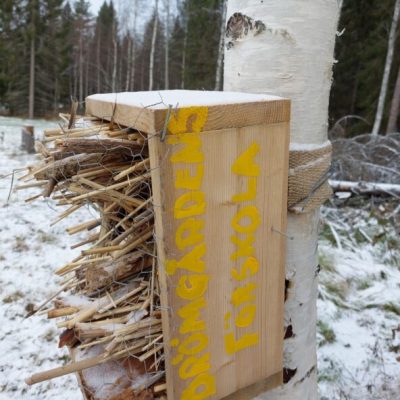
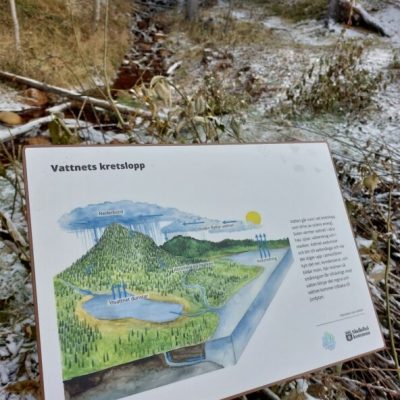
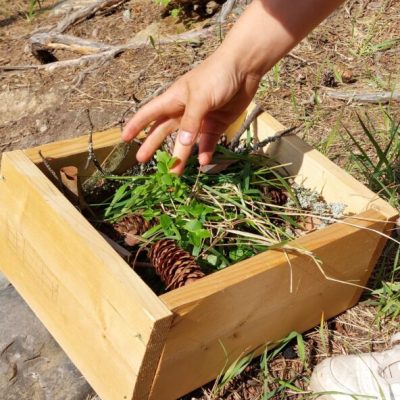
With the objective of educating & engaging young pupils but also adult citizens, on the importance of biodiversity and the effects of climate change, an open-air classroom is created in a natural setting. The intervention includes the creation of sheltered space to serve as a classroom, and an open space including a bee hotel/insect habitat in the form of a play structure. Building material is provided for students to use to create bee hotels/habitats. The above is complemented with permanent educational material such as signs about distinct plant species and pollinators. Information campaigns promote the use of the Health and Well-being platform encouraging users/ visitors to include own data i.e. for identified species.

Timeline to reach full potential

0-2 years

Co-benefits & spatial impact assessment

Co-creation roadmap

Lessons learnt

Co-creation process

  • Predefined Nature of the Solution: The predefined nature of VS limited the scope for the co-design process, constraining flexibility and stakeholder input.
  • Opportunities Through Co-Creation Steps: Different opportunities emerged depending on the nature of the solution, with varied potential at different steps of the co-creation process.
  • Engagement with Social Minorities: Social minority organizations were hard to reach and often required extra effort to engage effectively.
  • Stakeholder Appreciation for Diversity: Stakeholders themselves valued the diversity within their group, recognizing it as a strength in the process.

Implementation process

General
  • The concept design process is dynamic, with changes occurring at various stages, requiring adaptability throughout the project.
  • Design adjustments were a frequent occurrence, making it crucial to anticipate and manage design refinements as part of the project lifecycle.
  • Stakeholder input played a significant role in driving changes, highlighting the importance of consistent engagement with all involved parties.
  • Financial constraints were a key factor influencing project changes, underscoring the need to align project goals with available budgets.
  • Changes had a direct impact on the budget, reinforcing the importance of strong financial planning to accommodate unforeseen adjustments.
  • Advanced expertise was essential for both in-house teams and service providers, demonstrating the need for highly skilled professionals to manage complex tasks.
  • Procurement difficulties, driven by bureaucracy and high offers, suggest that market analysis and streamlined processes are vital for smoother project execution.
Level of required expertise - in house
Level of required expertise - contractors

Sustainability plan

Replication potential

KEY INFO

SDG

Nature based Solutions

  • Enhancement/ Protection actions

Digital Solutions

  • Microclimate monitoring
  • Visitor tracking
  • Energy efficient technologies
  • Data hosting and visualisation

Socio - cultural Solutions

  • Civil Infrastructure
  • Knowledge sharing

Participatory planning potential

High

CAPEX

€€€

OPEX

€€€

SROI

1 : 1,40

Ecosystem Services

Complexity

Low

KPIs

Main Beneficiaries

  • Local Administrations

  • Local Community
  • Disadvantaged groups or minorities
  • School Community
  • Cultural/Art Producers
  • Local businesses

  • Urban & Spatial Planning
  • Engineers & Technical Experts
  • Environmental & Natural Sciences
  • Health & Social Care

Health and Well - Being Aspects

  • Mental health enhancement
  • Physiological health enhancement
  • Enhancement of quality of life

Download this VS profile as pdf

Comments are closed.