Picture13

Natural infrastructure to increase resilience in blue spaces

General Description

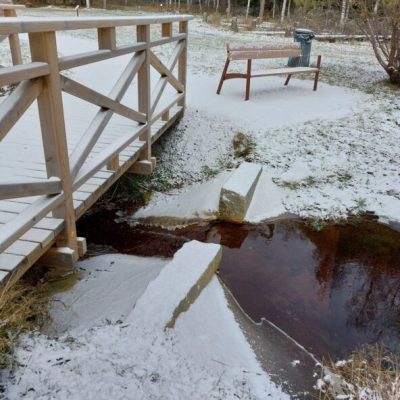
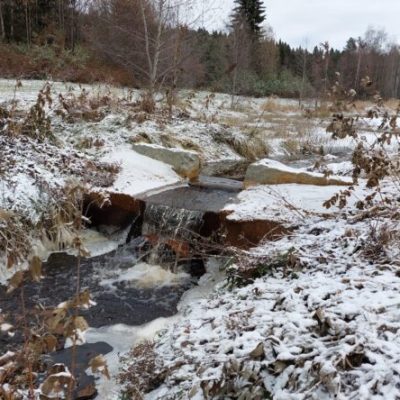
In an open space with a strong presence of blue spaces, waterways, ditches and ponds are improved, creating an attractive place for visitors and nearby residents, encouraging people to spend more time in the park. The enhancement of blue spaces also improves biodiversity and has an educational effect on the public. The waterflow between two ponds is adjusted, whereas water flow and water quality are monitored. The wetland bed is formed in a way also to enhance biodiversity. An inventory of species helped identify invasive species that should be eliminated, whereas existing flora was complemented with indigenous plants.

Timeline to reach full potential

2-5 years

Co-benefits & spatial impact assessment

Co-creation roadmap

Lessons learnt

Co-creation process

  • Iterative Process of Engagement: A progressive and iterative approach to engagement was adopted to ensure continued stakeholder involvement and feedback throughout the process

  • Predefined Nature of the Solution: One of the main challenges was the predefined nature of the solution (VS), which constrained the flexibility and limited the scope for true co-design. This imposed boundaries on how much stakeholders could influence or adapt the solution during the process.
  • Opportunities Through Co-Creation Steps: The opportunities that emerged were heavily dependent on the nature of the solution being addressed. Different steps in the co-creation process offered varied opportunities for innovation, refinement, and stakeholder input.

Implementation process

General
  • Experts involved in design/implementation: The project engaged an Architect/Engineer, Landscape designer, and Biologist/Agronomist, focusing on technical and environmental aspects of the design.

  • Reason for procurement delay: Soil from the meadow eroded into the ponds before the plants had a chance to take root, causing delays.

  • Aspects to change in implementation: The preparation and execution phases could be improved, focusing on better planning and timing of activities.

  • Valuable lessons learned: Engaging a consultant earlier for accurate flow measurement placement would have improved results. Additionally, spring planting is more effective for helping plants take root.

  • Preventive measures for future projects: Spring planting should be prioritized to ensure better establishment of vegetation.

  • Changes in preparation stage: Better planning and time management are necessary to avoid delays and improve execution.

Level of required expertise - in house
Level of required expertise - contractors

Sustainability plan

Replication potential

KEY INFO

SDG

Nature based Solutions

  • Enhancement/ Protection actions
  • Technical

Digital Solutions

  • Visitor tracking
  • Energy efficient technologies
  • Data hosting and visualisation

Socio - cultural Solutions

  • Civil Infrastructure
  • Knowledge sharing
  • Engagement activities

Participatory planning potential

High

CAPEX

€€

OPEX

€€

SROI

1 : 9,81

Ecosystem Services

Complexity

Low

KPIs

Main Beneficiaries

  • Local Administrations

  • Local Community
  • Disadvantaged groups or minorities
  • School Community
  • Cultural/Art Producers
  • Local businesses

  • Urban & Spatial Planning
  • Engineers & Technical Experts
  • Environmental & Natural Sciences

Health and Well - Being Aspects

  • Mental health enhancement
  • Physiological health enhancement
  • Enhancement of quality of life

Download this VS profile as pdf

Comments are closed.