General Description
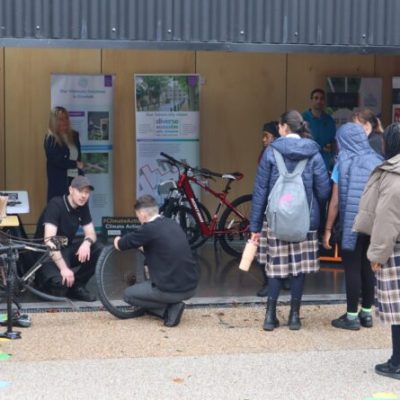
A sheltered outdoor learning space that can host events for a wide range of visitors is created, in order to engage and educate on improved biodiversity and NbS in urban areas, as well as Health & Well-being. Included in the learning pod is an immersive and fully accessible “multi-sensory space” that reduces anxiety and encourages participation in a short time- a valuable tool for Occupational Therapists.
Timeline to reach full potential
2-5 years
Multiple benefits of the solution
Co-creation roadmap
Lessons learnt
Co-creation process
- Prioritize Digital Skills Development: Given the increasing reliance on remote technology, investing in ongoing training and upskilling in digital tools and platforms is crucial. This ensures that teams are equipped to effectively navigate virtual collaboration and communication challenges.
- Enhance Stakeholder Engagement Strategies: Reflecting on the challenges faced in rallying stakeholder participation, future processes should focus on refining outreach strategies. This may involve diversifying communication channels, optimizing timing to accommodate key stakeholders, and ensuring inclusive representation across all sectors.
- Strategic Timing for Stakeholder Events: Acknowledging the impact of timing on stakeholder engagement, future initiatives should carefully consider scheduling to maximize participation. Tailoring events to accommodate the schedules of diverse stakeholders, such as educational institutions, can enhance inclusivity and foster a more representative dialogue.
- Anticipate and Address Planning Challenges: Proactively anticipating potential obstacles, such as unexpected planning issues, underscores the importance of thorough risk assessment and contingency planning. Building robust mechanisms for stakeholder engagement and conflict resolution can help mitigate disruptions and maintain project momentum.
- Adaptability in Response to Economic Factors: In light of inflationary pressures, adopting a proactive and adaptive approach to material usage and procurement is essential. This involves continuously evaluating alternative materials, exploring sustainable options, and collaborating closely with stakeholders to optimize resource utilization and cost-effectiveness.
- Optimize Staffing Resources: Recognizing the critical role of staffing resources, future processes should prioritize resource allocation and workload management. Implementing efficient processes, providing additional support where needed, and fostering a culture of collaboration can enhance productivity and ensure the successful execution of initiatives.
Implementation process
General
- Timeframe Adjustments and Project Delays: Changes in the design and execution of the solution, whether due to stakeholder requests or technical challenges, that result in delays.
- Stakeholder Influence and Requirement Changes: As the project progresses, stakeholders introduced new requirements, change priorities, or adjust expectations, leading to significant design revisions.
- Budget Variances (±20%): The project experienced significant budget variances (±20%) primarily due to external factors such as market conditions and inflation, which increased costs beyond initial forecasts. Additionally, unforeseen expenses that were not anticipated during the planning phase, such as the need for extra resources and unexpected expenditures, further contributed to the budget variance.
- Delays in Workplan: The project experienced delays, largely due to challenges in obtaining approvals, procurement issues, labor shortages, and lack of available resources.
- Delays in the implementation process: slow process of obtaining necessary permits and approvals, as well as difficulties in sourcing materials and services, which hindered progress. Labor challenges, such as workforce shortages, further impacted the timeline, while the unavailability of key resources, including materials and equipment, caused additional delays. Moreover, other unforeseen factors that were not initially accounted for also contributed to the overall slowdown of the project.
- Areas for Improvement: Better handling of the preparation stage to anticipate and mitigate potential challenges, as well as optimizing the procurement process to avoid delays and budget variances. Improved foresight in these areas could have helped the project run more smoothly and stay within its original timeline and budget.
Level of required expertise - in house
Level of required expertise - contractors
Sustainability plan
Replication potential
KEY INFO
SDG
Nature based Solutions

- Enhancement/ Protection actions
- Technical
Digital Solutions

- Visitor tracking
- Energy efficient technologies
- Data hosting and visualisation
Socio - cultural Solutions

- Civil Infrastructure
- Engagement activities
- Knowledge sharing
Participatory planning potential
High
CAPEX
€€€€
OPEX
€€
SROI
1 : 1,11
Ecosystem Services
Complexity
High
KPIs
Main Beneficiaries
![]()
- Local Administrations
![]()
- Local Community
- Disadvantaged groups or minorities
- School Community
- Cultural/Art Producers
- Local businesses
![]()
- Urban & Spatial Planning
- Engineers & Technical Experts
- Environmental & Natural Sciences
- Health & Social Care
Health and Well - Being Aspects
- Mental health enhancement
- Physiological health enhancement
- Enhancement of quality of life


