Chania_VS2_photo_1

Sensor kits on bikes & bike stations

General Description

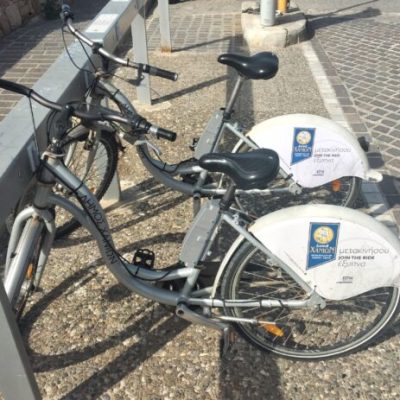
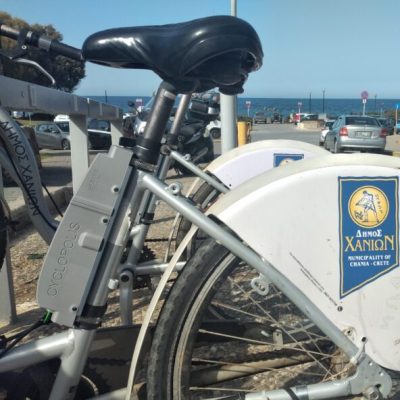
Sensor kits measuring air quality are installed both on public and private bicycles (PMs, temperature, humidity, noise and geographical position) . Public bicycle stations are also equipped with kits that measure further air pollutants (SO2, NOx, O3, CO, NH3, Cl, CO2 levels, organic substances levels). Available data are geolocated to trace possible pollution hotspots. Indications and warning about the environmental conditions will become available to citizens.

Timeline to reach full potential

0-2 years

Co-benefits & spatial impact assessment

Co-creation roadmap

Lessons learnt

Co-creation process

  • Enhanced Stakeholder Engagement: Co-creation fosters deeper engagement among stakeholders by involving them directly in the decision-making process, leading to solutions that are more aligned with their needs and perspectives.
  • Increased Innovation and Creativity: The diversity of ideas and perspectives brought together through co-creation often leads to more innovative and creative solutions that may not have emerged from a more traditional, top-down approach.
  • Building Trust is Essential: Engaging stakeholders in co-creation requires establishing trust early on. Transparent communication and respecting each stakeholder’s input are crucial for fostering a collaborative environment
  • GDEI-Informed Decision-Making: Integrating GDEI principles into decision-making processes enriches the co-creation outcome by considering the unique challenges and opportunities faced by different groups, leading to more fair and sustainable solutions.
  • Alignment of Goals and Expectations: Clearly aligning the goals and expectations of all stakeholders at the outset helps prevent misunderstandings and ensures that everyone is working towards a common objective throughout the process.
  • Flexibility and Adaptability: Stakeholders may have differing priorities or constraints, making it essential to remain flexible and adapt the co-creation process as new insights or challenges arise.
  • Shared Ownership Leads to Better Outcomes: When stakeholders are actively involved in co-creating solutions, they are more likely to feel a sense of ownership and responsibility, which increases their commitment to the success of the project.

Implementation process

General
  • Delays can arise from unexpected changes in concept design and procurement challenges, highlighting the need for flexibility and proactive planning.
  • Thorough preparation and meticulous execution are crucial for minimizing risks and ensuring smoother project implementation.
  • Always include a calibration process, as it remains beneficial even when using pre-calibrated sensors.
  • Budget planning should account for worst-case scenarios to enhance resilience and financial adaptability.
Level of required expertise - in house
Level of required expertise - contractors

Sustainability plan

Replication potential

KEY INFO

SDG

Nature based Solutions

  • Enhancement/ Protection actions

Digital Solutions

  • Microclimate monitoring
  • Noise pollution monitoring
  • Air quality monitoring

Socio - cultural Solutions

  • Knowledge sharing

Participatory planning potential

Medium

CAPEX

€

OPEX

€€

SROI

1 : 0,02

Ecosystem Services

Complexity

Low

KPIs

Main Beneficiaries

  • Local Administrations

  • Local Community
  • Disadvantaged groups or minorities
  • Local businesses

  • Urban & Spatial Planning
  • Engineers & Technical Experts
  • Health & Social Care
  • Research & Academia
  • Communication Experts

Health and Well - Being Aspects

  • Mental health enhancement
  • Physiological health enhancement
  • Enhancement of quality of life
  • Enhancement of physical activity

Download this VS profile as pdf

Comments are closed.