smartLighting (1)

Smart lighting

General Description

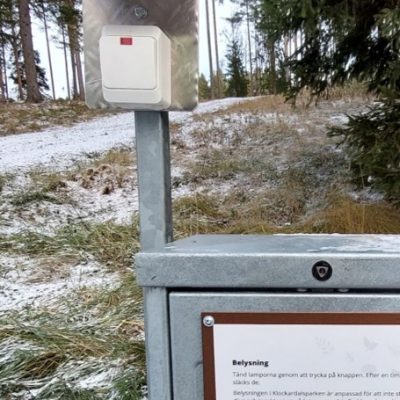
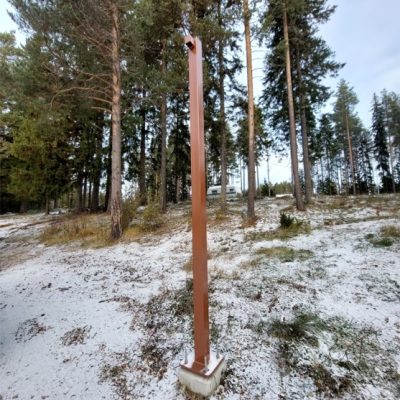
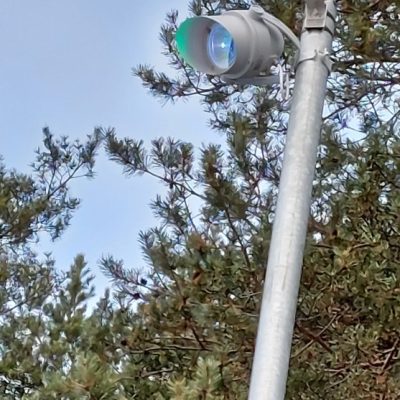
Smart lighting poles are placed in a park, providing an inviting environment for visitors and encouraging activities throughout the year. The selected system reduces light pollution as it is complemented with sensors that detect visitors, thus adjusting lighting levels. The data collected from the various installed sensors, apart from environmental conditions include information on firewood and parking space availability as well as snow depth. The above is also visualised in the H&WB platform.

Timeline to reach full potential

0-2 years

Co-benefits & spatial impact assessment

Co-creation roadmap

Lessons learnt

Co-creation process

  • Predefined Nature of the Solution: The predefined nature of VS limited the scope for the co-design process, constraining flexibility and stakeholder input.
  • Opportunities Through Co-Creation Steps: Different opportunities emerged depending on the nature of the solution, with varied potential at different steps of the co-creation process.
  • Engagement with Social Minorities: Social minority organizations were hard to reach and often required extra effort to engage effectively.
  • Stakeholder Appreciation for Diversity: Stakeholders themselves valued the diversity within their group, recognizing it as a strength in the process.

Implementation process

General
  • Changes in Concept Design: Changes were made after the initial sketch of the VS, specifically during the concept design phase. The project was downsized due to financial constraints, but it did not affect the overall schedule, budget, or procurement, only reducing the number of poles installed.
  • Expert Involvement: Key experts involved included architects, engineers, landscape designers, and municipal project officers. The required expertise level for both in-house and service providers was advanced.
  • Budget Variance: A significant budget change of ±25% occurred, primarily driven by external factors like market conditions and inflation.
  • Lessons Learned: The project underscored the importance of thoroughly understanding sensors and relevant EU GDPR laws. More knowledge about sensors was gained during the project, stressing the need for a clear starting point.
  • Recommendations for Future Projects: It’s recommended to start future projects with a defined sensor deployment strategy. In terms of budget planning, ensure that the full scope of the necessary equipment (like poles) is accounted for early on to prevent downsizing.
  • Potential Improvements: Starting with a clear plan for sensor integration would have improved the preparation phase. In budget planning, making sure the correct number of poles is included upfront could have avoided reductions later.
Level of required expertise - in house
Level of required expertise - contractors

Sustainability plan

Replication potential

KEY INFO

SDG

Digital Solutions

  • Microclimate monitoring
  • Visitor tracking
  • Energy efficient technologies
  • Data hosting and visualisation

Socio - cultural Solutions

  • Civil Infrastructure
  • Knowledge sharing

Participatory planning potential

Medium

CAPEX

€€

OPEX

SROI

1 : 9,81

Ecosystem Services

Complexity

Low

KPIs

Main Beneficiaries

  • Local Administrations

  • Environmental & Natural Sciences
  • Health & Social Care

  • Urban & Spatial Planning
  • Engineers & Technical Experts

Health and Well - Being Aspects

  • Mental health enhancement
  • Physiological health enhancement
  • Enhancement of quality of life

Download this VS profile as pdf

Comments are closed.