
General Description
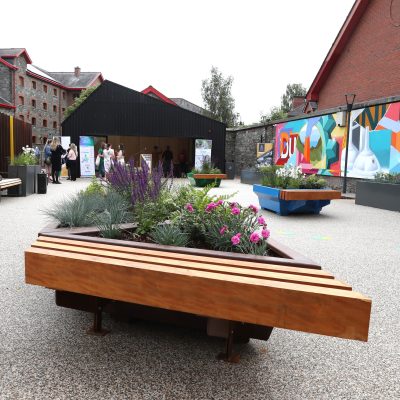
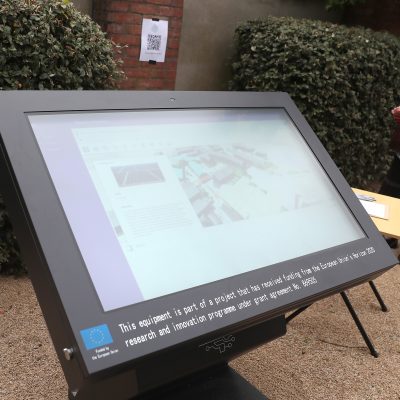
Through an integrated approach, the quality of an open space is enhanced: Planters are placed along with seating areas. A rainwater harvesting system is installed and a sensory garden is created. In addition, a LED lighting system, a CCTV system, visitor tracking sensors, noise & air quality sensors are installed, together with a touch screen to visualise and display collected data and any other information for visitors.
Timeline to reach full potential
2-5 years
Co-benefits & spatial impact assessment
Co-creation roadmap
Lessons learnt
Co-creation process
- Prioritize Digital Skills Development: Given the increasing reliance on remote technology, investing in ongoing training and upskilling in digital tools and platforms is crucial. This ensures that teams are equipped to effectively navigate virtual collaboration and communication challenges.
- Enhance Stakeholder Engagement Strategies: Reflecting on the challenges faced in rallying stakeholder participation, future processes should focus on refining outreach strategies. This may involve diversifying communication channels, optimizing timing to accommodate key stakeholders, and ensuring inclusive representation across all sectors.
- Strategic Timing for Stakeholder Events: Acknowledging the impact of timing on stakeholder engagement, future initiatives should carefully consider scheduling to maximize participation. Tailoring events to accommodate the schedules of diverse stakeholders, such as educational institutions, can enhance inclusivity and foster a more representative dialogue.
- Anticipate and Address Planning Challenges: Proactively anticipating potential obstacles, such as unexpected planning issues, underscores the importance of thorough risk assessment and contingency planning. Building robust mechanisms for stakeholder engagement and conflict resolution can help mitigate disruptions and maintain project momentum.
- Adaptability in Response to Economic Factors: In light of inflationary pressures, adopting a proactive and adaptive approach to material usage and procurement is essential. This involves continuously evaluating alternative materials, exploring sustainable options, and collaborating closely with stakeholders to optimize resource utilization and cost-effectiveness.
- Optimize Staffing Resources: Recognizing the critical role of staffing resources, future processes should prioritize resource allocation and workload management. Implementing efficient processes, providing additional support where needed, and fostering a culture of collaboration can enhance productivity and ensure the successful execution of initiatives.
Implementation process
General
- Concept Design Changes and Timing: Changes in the concept design occurred after the initial sketching, specifically during the selection of service providers. This indicates that adjustments were necessary to align with the capabilities or requirements of the providers, reflecting the need for flexibility in the early stages of planning.
- Nature and Reasons for Change: The primary change was in the design, driven by stakeholder (STK) input and technical issues. This shows that both feedback from key stakeholders and technical considerations played a crucial role in revising the original design to better meet project needs.
- Delays on Project Progress: These changes mainly affected the project’s timeframe, resulting in delays. The design adjustments, while necessary, slowed down progress, demonstrating how even mid-stage revisions can extend project timelines.
- Significant Budget Variances: (±20%) in the budget for the project. These variances such as market conditions and inflation, as well as unforeseen costs that emerged during the project. highlighted the need for careful monitoring and adjustment throughout the implementation process.
- Delays in the Workplan: due to project complexity and other unforeseen factors. These challenges highlighted the need for better planning and resource allocation to navigate the complexities involved in the project.
- Preparation and procurement stages differently in future implementations: Enhancing the preparation phase could lead to better anticipation of potential challenges, while optimizing the procurement process would help avoid delays and budget variances. Focusing on these areas would improve overall project efficiency and effectiveness.
Level of required expertise - in house
Level of required expertise - contractors
Sustainability plan
Replication potential
KEY INFO
SDG
Nature based Solutions

- Enhancement/ Protection actions
- Urban Green Spaces connected to grey infrastructure
Digital Solutions

- Visitor tracking
- Air quality monitoring
- Data hosting and visualisation
- Noise pollution monitoring
- Microclimate monitoring
Socio - cultural Solutions

- Civil Infrastructure
- Engagement activities
- Knowledge sharing
Participatory planning potential
High
CAPEX
€€€
OPEX
€€
SROI
€€€
Ecosystem Services
Complexity
Medium
KPIs
Main Beneficiaries
![]()
- Local Administrations
![]()
- Local Community
- Disadvantaged groups or minorities
- School Community
- Cultural/Art Producers
- Local businesses
![]()
- Urban & Spatial Planning
- Engineers & Technical Experts
- Environmental & Natural Sciences
Health and Well - Being Aspects
- Mental health enhancement
- Physiological health enhancement
- Enhancement of quality of life
- Enhancement of physical activity


